
Menu Sehat untuk Vitalitas Maksimal Pria Indonesia
Jelajahi panduan nutrisi komprehensif yang dirancang khusus untuk meningkatkan stamina, energi, dan kesehatan pria modern Indonesia. Artikel-artikel kami memberikan wawasan mendalam tentang pilihan menu sehat yang tepat dan dampak positifnya terhadap performa sehari-hari.

Mengapa Nutrisi Tepat Penting untuk Stamina Pria
Tubuh pria memiliki kebutuhan nutrisi khusus yang berbeda. Memahami dan menerapkan menu sehat yang tepat dapat membuat perbedaan signifikan dalam energi harian, fokus mental, dan performa fisik Anda.
Fondasi Kesehatan Optimal
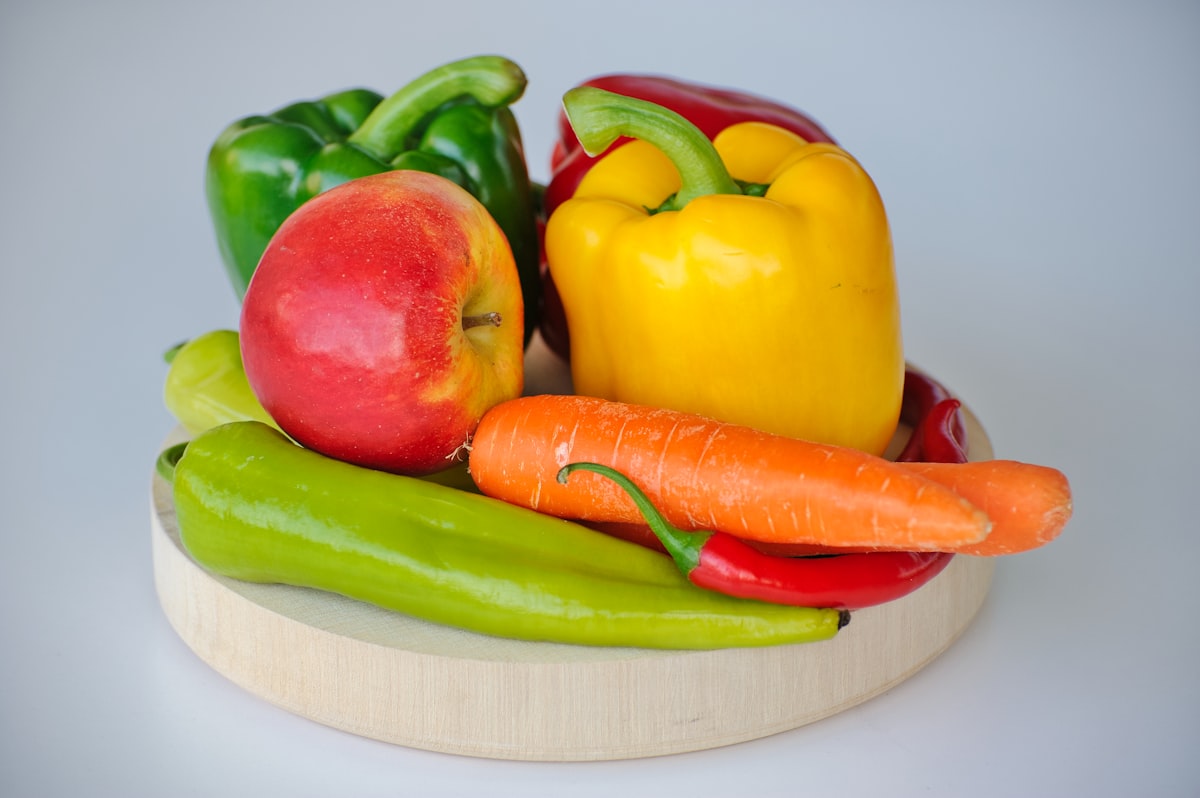
Pria aktif membutuhkan protein berkualitas tinggi untuk membangun dan mempertahankan massa otot. Menu sehat yang seimbang dengan protein, karbohidrat kompleks, dan lemak sehat adalah kunci untuk menjaga energi sepanjang hari. Artikel kami mengeksplorasi berbagai sumber nutrisi yang mudah diakses di Indonesia, dari ikan lokal hingga sayuran organik.
Selain itu, mineral seperti zinc, magnesium, dan zat besi memainkan peran penting dalam kesehatan reproduksi dan metabolisme energi pria. Kami memberikan panduan lengkap tentang makanan-makanan kaya mineral yang dapat Anda integrasikan ke dalam menu harian.
- Peningkatan energi dan stamina berkelanjutan
- Kesehatan kardiovaskular yang lebih baik
- Daya tahan mental dan fokus yang meningkat
Jenis-Jenis Menu Sehat Pilihan
Menu Berbasis Sayuran
Sayuran hijau, buah-buahan, dan biji-bijian memberikan vitamin dan mineral esensial. Panduan kami menunjukkan cara menyusun menu sayuran yang lezat tanpa monoton, dengan resep-resep praktis yang dapat disiapkan dalam waktu singkat untuk rutinitas harian yang sibuk.
Protein Berkualitas Tinggi
Ikan, ayam, daging tanpa lemak, dan telur adalah sumber protein terbaik untuk pria. Kami mengulas manfaat masing-masing, cara memasak yang sehat, dan bagaimana mengintegrasikannya ke dalam diet harian untuk hasil maksimal tanpa mengorbankan cita rasa.
Makanan Energi Alami
Dari kacang-kacangan hingga buah-buahan tropis Indonesia, kami mengidentifikasi superfood lokal yang mudah ditemukan dan terjangkau. Setiap artikel menggali ilmu gizi dibalik makanan-makanan ini dan cara terbaik mengkonsumsinya untuk daya tahan optimal.
Karbohidrat Kompleks
Beras merah, oat, dan biji-bijian utuh menyediakan energi berkelanjutan. Kami menjelaskan perbisnis antara karbohidrat sederhana dan kompleks, serta bagaimana memilih sumber karbohidrat terbaik untuk aktivitas dan tujuan kesehatan Anda.
Hidrasi dan Minuman Sehat
Air, teh hijau, dan minuman alami lainnya sangat penting untuk kesehatan pria. Panduan kami mengupas manfaat berbagai minuman sehat lokal dan internasional, serta jadwal hidrasi optimal untuk memaksimalkan performa fisik dan mental Anda.
Menu Praktis Sehari-hari
Bukan semua orang punya waktu berjam-jam di dapur. Kami menyajikan contoh menu sehat yang dapat disiapkan cepat, tanpa mengorbankan nutrisi. Artikel ini mencakup meal prep tips, resep 30 menit, dan alternatif yang sehat untuk makanan cepat saji.
Langkah Mudah Memulai Gaya Hidup Sehat
Evaluasi Pola Makan Saat Ini
Mulai dengan memahami kebiasaan makan Anda saat ini. Catat makanan yang biasa Anda konsumsi selama satu minggu. Artikel kami membantu Anda mengidentifikasi area yang perlu diperbaiki dan peluang untuk meningkatkan nutrisi tanpa perubahan drastis yang sulit dipertahankan.
Tentukan Target Kesehatan Anda
Apakah Anda ingin meningkatkan energi, menurunkan berat badan, atau membangun otot? Setiap tujuan memiliki kebutuhan nutrisi yang sedikit berbeda. Kami menyediakan panduan khusus untuk setiap target, membantu Anda memilih menu yang paling sesuai dengan objektif pribadi Anda.
Rencanakan Menu Mingguan
Perencanaan adalah kunci sukses. Kami menyediakan template dan contoh menu mingguan yang dapat Anda sesuaikan. Dengan merencanakan makanan sebelumnya, Anda menghindari keputusan impulsif dan memastikan nutrisi seimbang setiap harinya.
Monitor Kemajuan dan Sesuaikan
Kesehatan adalah perjalanan, bukan tujuan akhir. Pantau bagaimana tubuh Anda merespons perubahan nutrisi. Artikel kami memberikan indikator kemajuan yang jelas dan tips untuk menyesuaikan menu Anda berdasarkan hasil yang Anda lihat dan rasakan.
Galeri Menu Sehat Favorit
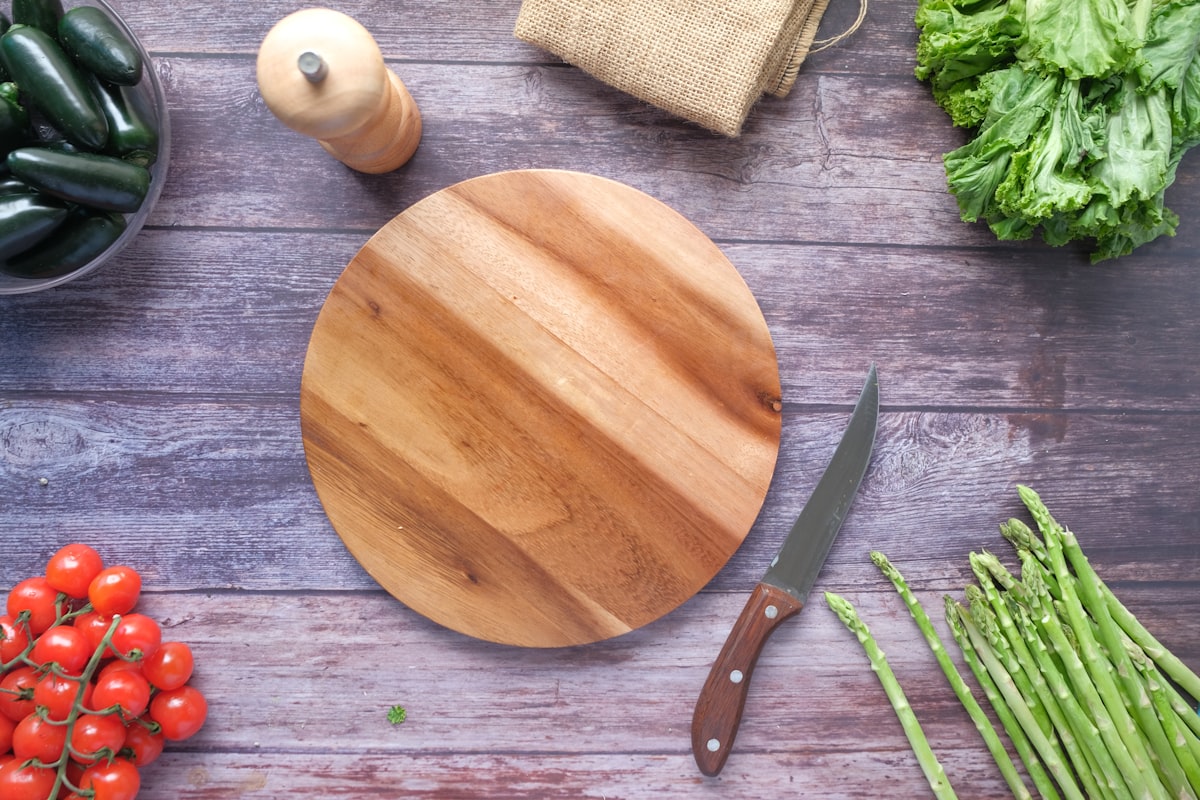
Ikan Bakar dengan Sayuran Panggang
Menu klasik yang kaya protein dan omega-3. Sempurna untuk makan malam yang bergizi dan lezat.
Salad Segar dengan Dressing Alami
Makanan ringan penuh vitamin dan mineral. Ideal untuk makan siang yang tidak memberatkan namun mengenyangkan.
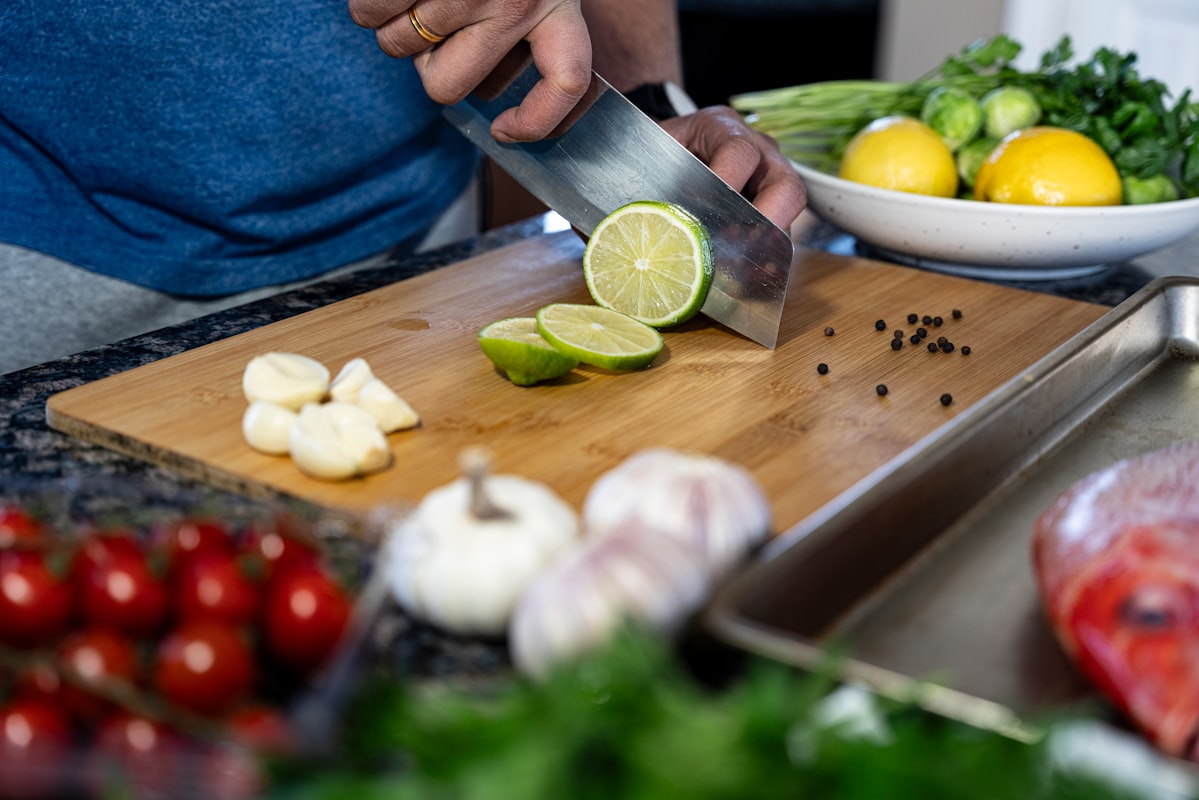
Smoothie Bowl Energi Pagi
Sarapan sempurna yang memberikan energi berkelanjutan untuk aktivitas pagi hari Anda.
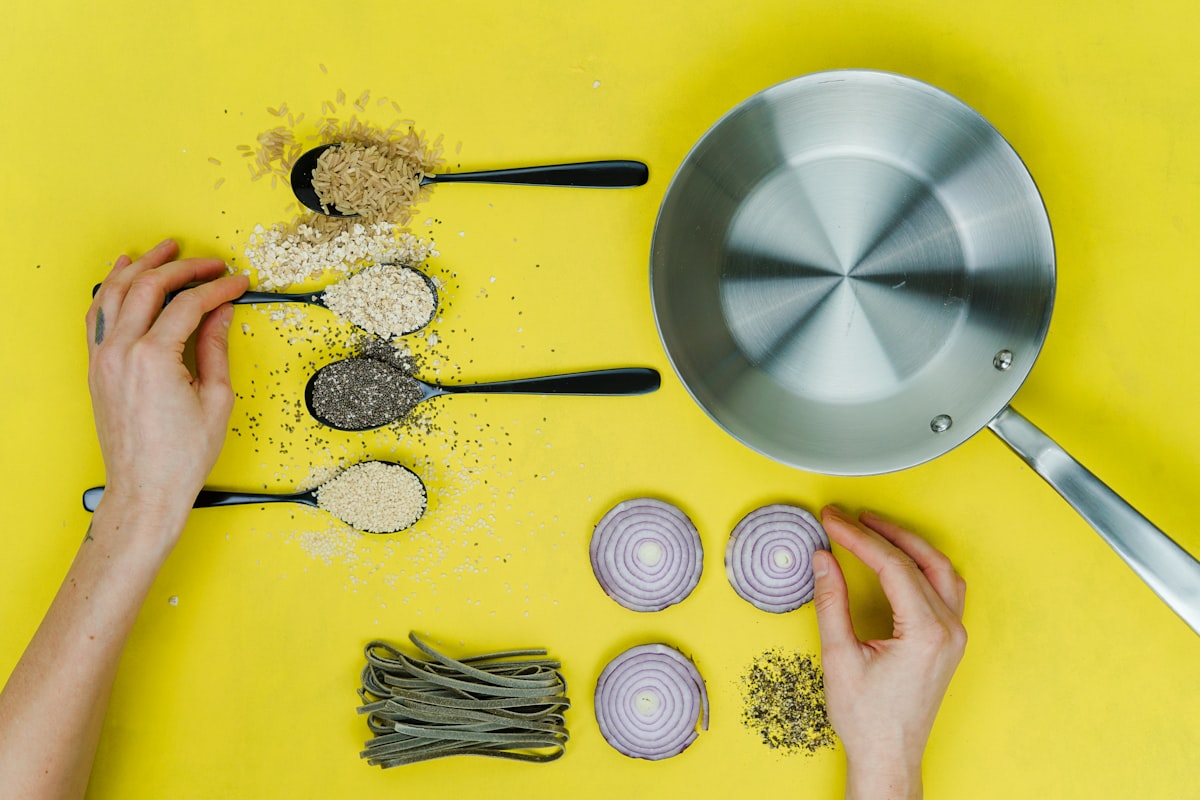
Nasi Merah dan Ayam Sehat
Kombinasi sempurna karbohidrat kompleks dan protein untuk performa optimal sepanjang hari.
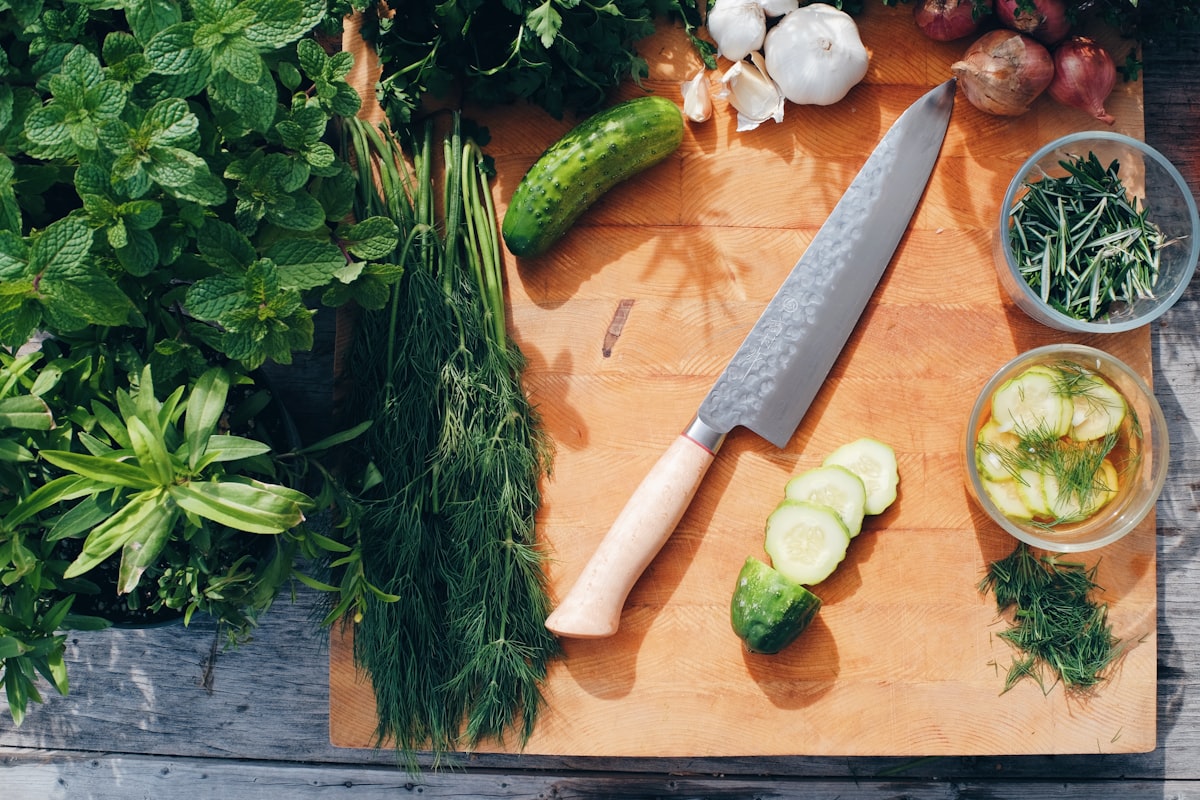
Tumis Sayuran dan Tahu Bergizi
Menu vegetarian yang lezat dan bernutrisi tinggi, terbukti meningkatkan kesehatan pencernaan.
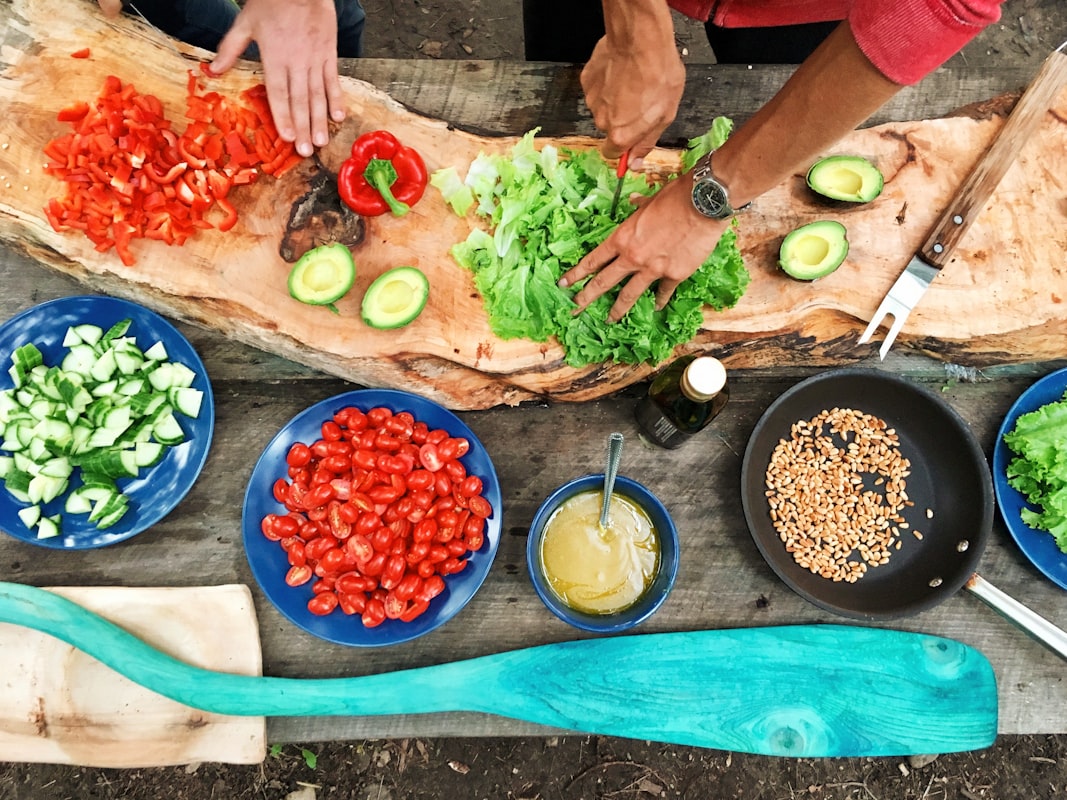
Sup Tradisional dengan Herbal Lokal
Resep turun temurun yang kaya akan manfaat kesehatan dan hangat untuk tubuh.
Pertanyaan Umum Seputar Menu Vitalitas
Hasil awal biasanya terlihat dalam 2-3 minggu, seperti peningkatan energi dan kualitas tidur yang lebih baik. Perubahan tubuh yang lebih signifikan membutuhkan 6-8 minggu konsistensi. Setiap individu berbeda, dan faktor lain seperti olahraga dan istirahat juga berpengaruh penting pada hasil akhir.
Tidak sama sekali. Makanan sehat dapat sangat terjangkau jika Anda tahu di mana mencarinya. Pasar lokal, sayur organik tradisional, dan bahan-bahan musiman adalah pilihan hemat. Kebanyakan menu kami dapat disiapkan dalam 20-30 menit dengan peralatan dapur standar. Artikel kami fokus pada kepraktisan dan efisiensi biaya.
Gaya hidup sehat tidak berarti menghilangkan semua makanan kesukaan. Prinsip kami adalah keseimbangan dan moderasi. Anda tetap bisa menikmati makanan favorit dengan frekuensi yang lebih terbatas, sambil mengisi sebagian besar asupan dengan menu bergizi. Kami juga menyajikan versi sehat dari makanan populer yang Anda cintai.
Jika Anda memiliki kondisi kesehatan tertentu atau sedang dalam pengobatan, sebaiknya konsultasikan dengan dokter atau ahli gizi profesional sebelum melakukan perubahan besar pada pola makan. Artikel kami memberikan informasi edukatif umum, namun setiap individu memiliki kebutuhan unik yang mungkin memerlukan personalisasi khusus dari profesional kesehatan.
Kami menyediakan panduan praktis untuk meal prep dan membawa makanan sehat saat perjalanan. Tips mencari pilihan sehat di restoran, memilih camilan portabel, dan strategi navigasi menu di tempat-tempat umum juga tercakup. Fleksibilitas adalah kunci konsistensi jangka panjang, dan artikel kami membantu Anda tetap pada jalur yang tepat tanpa merasa terikat.
Jika menu sehat Anda dirancang dengan baik, sebagian besar nutrisi dapat dipenuhi dari makanan utuh. Namun, beberapa orang mungkin mengalami kekurangan tertentu berdasarkan gaya hidup atau kondisi kesehatan mereka. Artikel kami menjelaskan nutrisi apa yang mungkin memerlukan perhatian tambahan dan kapan konsultasi dengan profesional kesehatan menjadi bijaksana.
Kisah Sukses Pria yang Lebih Berenergi
Saya selalu merasa lelah setelah bekerja dari pagi hingga sore. Setelah membaca artikel-artikel di sini dan menerapkan menu sehat yang disarankan, energi saya meningkat drastis. Saya bisa bermain dengan anak-anak tanpa merasa kelelahan, dan fokus kerja saya juga lebih baik. Perubahan ini terjadi hanya dalam tiga minggu, dan sekarang ini menjadi gaya hidup saya.
Budi Santoso
Jakarta, Indonesia
Sebagai seorang pengusaha yang sibuk, saya tidak punya waktu untuk diet rumit. Menu-menu praktis yang dijelaskan di sini sangat membantu. Saya bisa menyiapkan makanan sehat dalam 20 menit dan hasilnya luar biasa. Stamina meningkat, berat badan menurun, dan yang terpenting kesehatan saya lebih terjaga tanpa mengorbankan pekerjaan.
Ari Wijaya
Surabaya, Indonesia
Saya pernah mencoba banyak program diet yang mahal dan sulit diikuti. Artikel-artikel di sini menunjukkan bahwa makanan sehat bisa terjangkau dan lezat. Menu yang saya terapkan menggunakan bahan-bahan lokal yang mudah ditemukan. Kesehatan saya meningkat, dan dompet saya juga berterima kasih. Ini adalah perubahan yang paling sustainable yang pernah saya lakukan.
Rendra Kusuma
Bandung, Indonesia
Sebagai atlet muda, saya perlu nutrisi yang tepat untuk performa maksimal. Panduan menu di sini sangat comprehensive dan berbasis ilmu yang jelas. Saya bisa membentuk otot lebih efisien, recovery lebih cepat, dan performa di lapangan meningkat signifikan. Terima kasih karena artikel-artikelnya sangat informatif dan memotivasi.
Dimas Prasetyo
Medan, Indonesia
Siap Meningkatkan Vitalitas Anda?
Jelajahi koleksi lengkap artikel kami tentang menu sehat, nutrisi pria modern Indonesia, dan tips praktis untuk gaya hidup yang lebih berenergi. Semua konten kami dirancang untuk membantu Anda membuat keputusan kesehatan yang tepat dan berkelanjutan.