About Econutritionhub
Empowering people to master whole foods cooking and discover the transformative power of real nutrition through education and practical guidance.
The information on this site is for educational purposes only and does not constitute medical advice. Always consult a qualified healthcare professional before making health decisions.
Our Journey Begins
Econutritionhub was born from a simple observation: most people lack practical knowledge about whole foods cooking. We recognized a gap between nutritional science and everyday kitchen reality.
Our mission is to demystify whole foods preparation and show that nourishing yourself well is neither complicated nor expensive. We believe real food literacy is a cornerstone of wellbeing.
Based in Munich, Germany, our editorial platform serves readers across Europe with evidence-based, practical guidance on selecting, preparing, and enjoying whole foods in ways that fit modern life.
What Drives Us
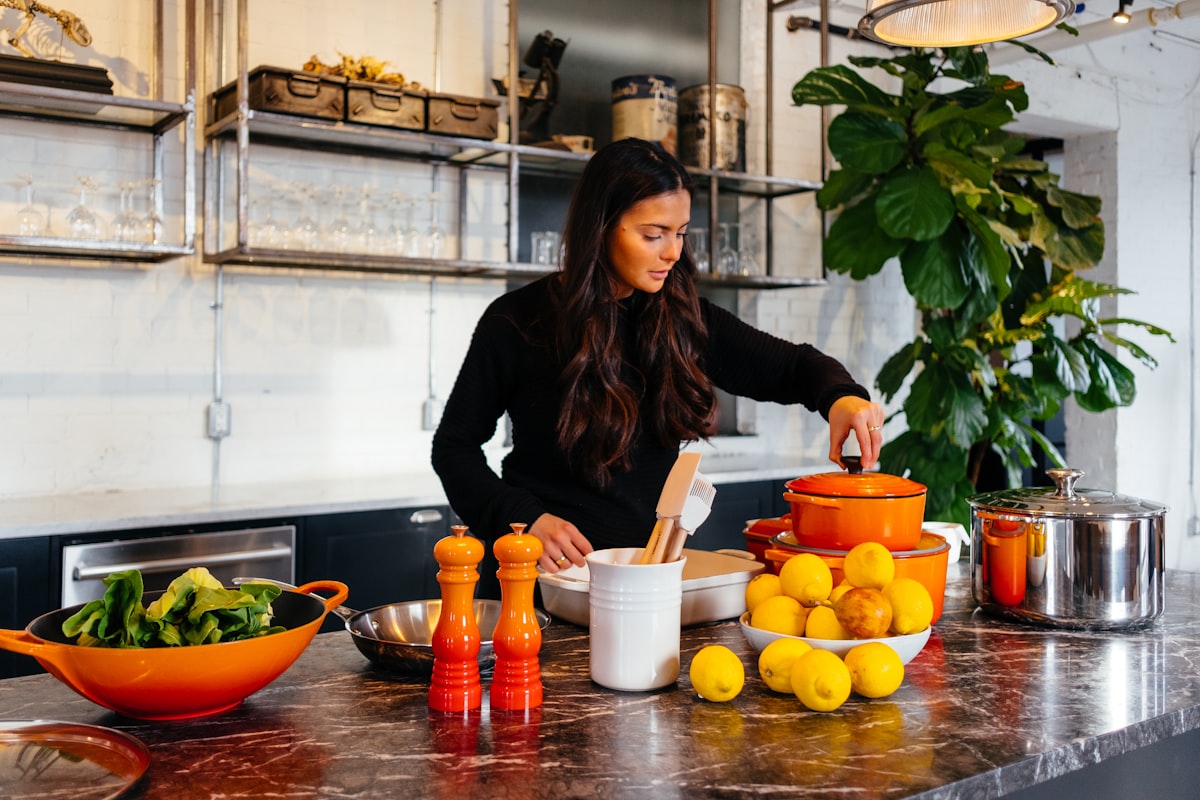
Our mission guides every article, guide, and recommendation we publish.
Our Mission
To educate and inspire people to cook with whole foods confidently, making informed choices that support their long-term wellbeing and connection to real nutrition.
Clarity First
We cut through noise and hype. Every article is researched, practical, and free from commercial bias. Our readers trust us to tell the truth about food.
Real Community
We believe in fostering genuine connections around the table. Food is a shared human experience, and we celebrate that through engaged, honest dialogue.
Meet Our Editorial Team
Dedicated professionals passionate about whole foods education and practical nutrition knowledge.
Sarah Müller
Editor-in-Chief
Sarah brings fifteen years of food writing and nutrition research to Econutritionhub. Her background spans culinary journalism, food science, and community nutrition education. She is committed to translating complex nutritional concepts into accessible, actionable guidance for everyday cooks across Germany and beyond.
Klaus Weber
Senior Contributor
Klaus specializes in traditional European cooking techniques and seasonal whole foods preparation. With a background in food anthropology and hands-on culinary practice, he writes extensively about regional ingredients, food history, and the cultural connections between cooking and nutrition in Central Europe.
Maria Fischer
Nutrition Advisor
Maria Fischer holds a doctoral degree in nutritional science and contributes research-backed articles on the nutritional composition of whole foods. She bridges scientific evidence and practical kitchen application, ensuring all content reflects current nutritional science while remaining accessible to home cooks.
Thomas Richter
Recipe Developer
Thomas develops practical, whole foods recipes tested in real home kitchens. His focus is creating meals that are nutritious, delicious, and achievable for busy people. He brings restaurant experience combined with a passion for making whole foods cooking accessible to families at all skill levels.
Our Editorial Approach
How we create trustworthy, practical content for whole foods cooking.
Research & Evidence
Every article undergoes thorough research. We consult peer-reviewed nutrition science, culinary experts, and food historians to ensure accuracy. Our editorial board reviews all content before publication.
Practical Testing
Recipes and techniques are tested in home kitchens by real people. We don't publish what we haven't personally verified. Your feedback helps us refine and improve every guide.
Clear Communication
We write for real people, not academics. Complex nutritional concepts are explained plainly. Each article includes actionable steps you can implement immediately in your own kitchen.
Continuous Improvement
As nutrition science evolves and new evidence emerges, we update our content. We welcome reader feedback and corrections. Learning is ongoing, and we model that commitment.
Why Whole Foods Matter
Whole foods are foods in their natural state—minimally processed, nutrient-dense, and recognizable. They form the foundation of lasting wellbeing because they provide your body with the nutrients it actually needs.
Learning to cook with whole foods is not about restriction or perfection. It's about building confidence, understanding what you're eating, and enjoying food that nourishes both body and mind.
- Real Nutrients: Whole foods deliver vitamins, minerals, and fiber your body recognizes and uses efficiently.
- Flavor & Satisfaction: Fresh ingredients taste better and keep you satisfied longer without excess calories.
- Culinary Skills: Cooking whole foods builds knowledge and confidence you carry into every meal, every day.
What Our Readers Say
Real experiences from people who've transformed their relationship with food through our content.
"I never thought I could prepare vegetables with this kind of confidence. Your recipes are simple but elegant, and the nutritional information actually makes sense. My family has noticed a real difference in how we feel since we started cooking more whole foods at home."
Julia Hoffmann
Berlin, Germany
"As someone who travels frequently for work, I appreciate how practical your cooking techniques are. They don't require specialized equipment. The articles on seasonal ingredients have made shopping so much easier and more economical. Thank you for the clarity."
Marcus Schneider
Hamburg, Germany
"I was overwhelmed by conflicting nutrition advice online. Your editorial approach is refreshingly honest and evidence-based without being preachy. The cooking fundamentals section gave me the foundation I needed. Now I teach my kids the same principles."
Anna Bergmann
Munich, Germany
What You'll Find Here
A complete resource for understanding and mastering whole foods cooking.
In-Depth Guides
Comprehensive articles on ingredient selection, cooking techniques, seasonal eating, and nutritional fundamentals. Each guide is thoroughly researched and tested.
Practical Recipes
Simple whole foods recipes developed and tested in home kitchens. No processed shortcuts, no unnecessary ingredients. Recipes that work for real people with real schedules.
Educational Content
Learn the "why" behind whole foods cooking. Understand nutrition basics, food science, and how to make informed choices that align with your own values and goals.
Seasonal Focus
Articles on eating with the seasons—which ingredients are at their best, how to select them, and how to prepare them. Connect with natural food rhythms.
Practical Tips
Actionable advice on meal planning, pantry organization, efficient cooking, and how to eat well on a budget without sacrificing nutrition or flavor.
Community Dialogue
We answer real questions from readers. Share your experiences, ask for guidance, and connect with others on the same journey toward better whole foods cooking.
Have Questions or Feedback?
We read every message. Our editorial team welcomes your thoughts about our content, questions, and suggestions for future articles.
Our content is for educational purposes. We believe in transparency and honesty in everything we publish. To learn more about our editorial standards and policies, please review our documentation below.
What Our Readers Say
Join thousands who trust Econutritionhub for evidence-based nutrition insights
"Econutritionhub has completely changed how I approach my diet. The research-backed articles are incredibly helpful and easy to understand."
Sarah Mitchell
Nutrition Enthusiast
"As a healthcare professional, I recommend Econutritionhub to my patients. The information is always accurate and current."
James Chen
Registered Dietitian
"I love how Econutritionhub debunks myths and provides real, actionable nutrition advice. It's my go-to resource."
Emma Rodriguez
Fitness Coach
Frequently Asked Questions
Have questions about Econutritionhub? We've got answers.
Is Econutritionhub's content peer-reviewed?
Yes, our articles are researched and reviewed by registered dietitians and nutrition experts. We reference peer-reviewed studies and ensure all claims are scientifically backed.
How often is content updated?
We continuously update our articles to reflect the latest nutrition research and findings. New content is published weekly to keep you informed about emerging nutrition science.
Can I use Econutritionhub's content in my professional practice?
Our content is for educational purposes. Healthcare professionals can reference our articles, but always verify information with the latest clinical guidelines and consult your professional licensing board regarding usage policies.
How can I suggest a nutrition topic?
We'd love to hear from you! Contact us through our contact form with your suggestions. Our editorial team reviews all reader requests.