
Master the Art of Whole Foods Cooking
Learn the essential techniques and knowledge to prepare nutritious, delicious meals using whole, unprocessed ingredients.
The information on this site is for educational purposes only and does not constitute medical advice. Always consult a qualified healthcare professional before making health decisions.
Why Whole Foods Matter
Whole foods are ingredients in their natural state, minimally processed and free from artificial additives. They retain more nutrients, fiber, and natural flavors compared to processed alternatives.
Understanding how to select, prepare, and cook whole foods is the foundation of nourishing your body and developing long-term healthy eating habits.
- Higher nutrient density: Whole foods contain more vitamins, minerals, and antioxidants.
- Natural flavor: No artificial ingredients or flavor enhancers needed.
- Better digestion: High fiber content supports healthy digestive function.
- Long-term wellness: Whole foods support sustainable eating patterns.
Essential Cooking Techniques
Sautéing & Stir-Frying
Quick cooking method that preserves texture and color while developing flavor. Perfect for vegetables, proteins, and grains in minutes.
Steaming & Boiling
Gentle cooking methods that maintain nutrient content. Ideal for vegetables, whole grains, legumes, and delicate proteins like fish.
Roasting & Baking
Dry heat cooking that creates depth of flavor and caramelization. Excellent for vegetables, whole grains, nuts, and whole proteins.
Slow Cooking & Braising
Low-temperature methods that tenderize foods and develop complex flavors. Perfect for legumes, tough cuts, and hearty grains.
Blending & Processing
Techniques for creating smoothies, sauces, soups, and spreads. Increases nutrient absorption and creates appealing textures.
Raw Preparation
Fresh slicing, chopping, and combining techniques that preserve all nutrients. Essential for salads, fresh bowls, and cold appetizers.
Your Path to Kitchen Mastery
Learn Ingredient Selection
Start by understanding how to choose quality ingredients. Learn to identify ripe fruits, fresh vegetables, quality grains, and proper storage methods. This foundation ensures you begin every meal with the best possible materials.
Master Basic Knife Skills
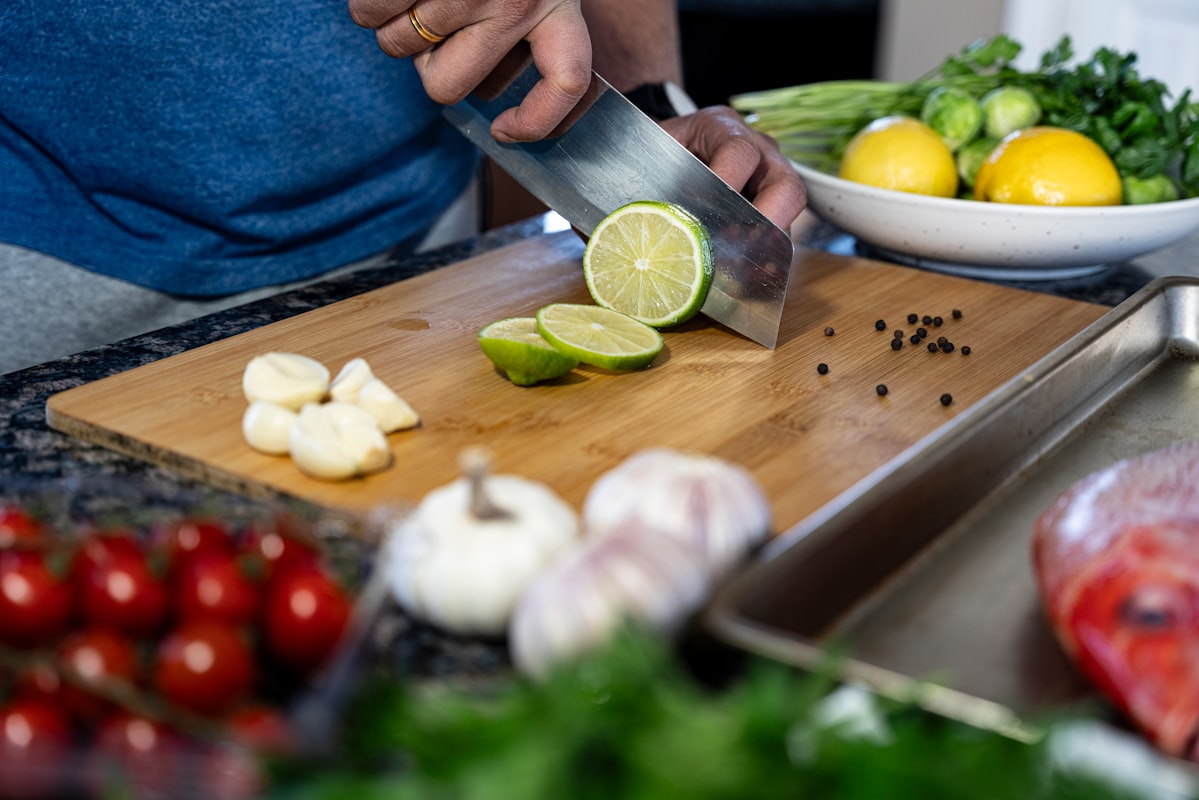
Proper cutting techniques are essential for efficiency, safety, and presentation. Learn how to hold a knife correctly, execute basic cuts (dice, julienne, chop), and maintain your tools. Good knife skills transform your entire cooking experience.
Develop Cooking Method Knowledge
Understand when to use each cooking technique. Learn which methods work best for different ingredients and desired outcomes. Practice sautéing, roasting, steaming, and slow cooking until each technique feels natural.
Create Balanced Meals
Learn to compose meals that include vegetables, whole grains, proteins, and healthy fats. Understand portion balance and flavor combinations that create satisfying, nourishing dishes without relying on processed ingredients.
Experiment & Refine
Build confidence by trying new ingredients and flavor combinations. Keep notes on what works well, adjust recipes to your preferences, and develop your personal cooking style. Mastery comes through consistent practice and experimentation.
Beautiful Whole Food Creations
Whole foods aren't just nourishing—they're visually stunning. Here are examples of the beautiful dishes you'll create.
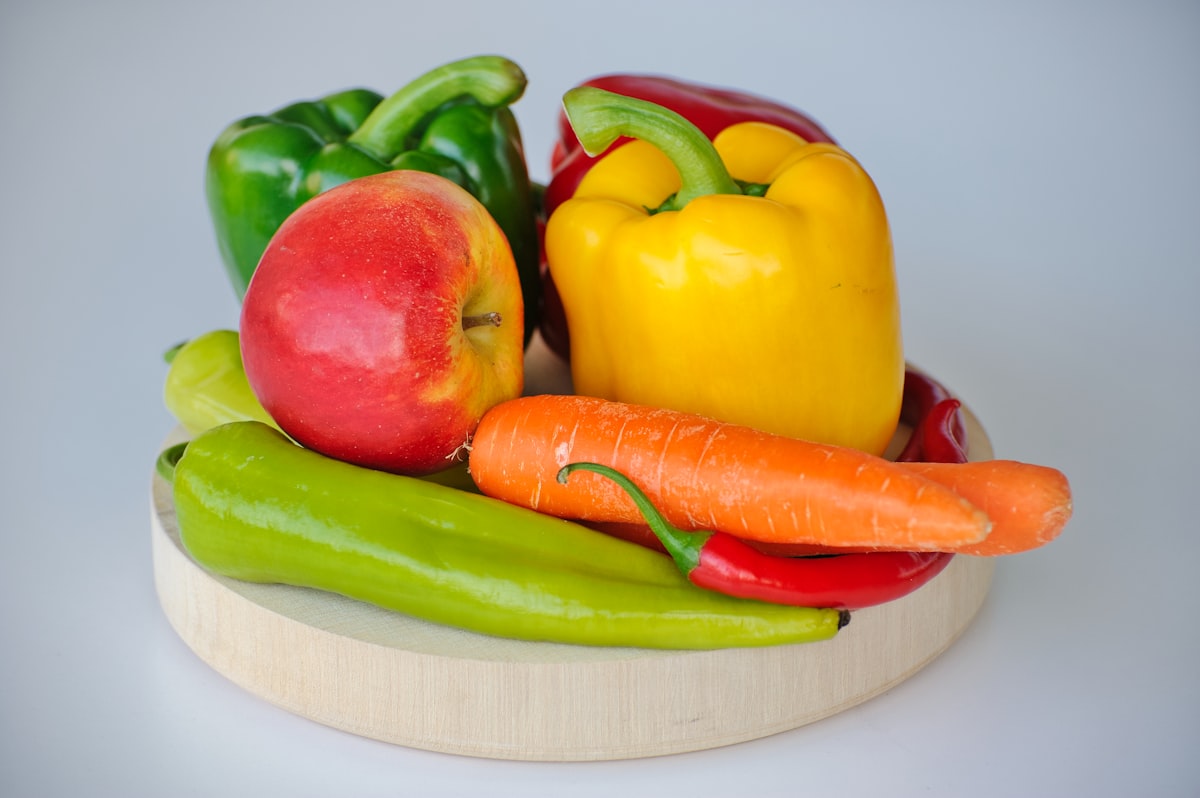
Rainbow Grain Bowls
Balanced combinations of whole grains, roasted vegetables, and legumes.
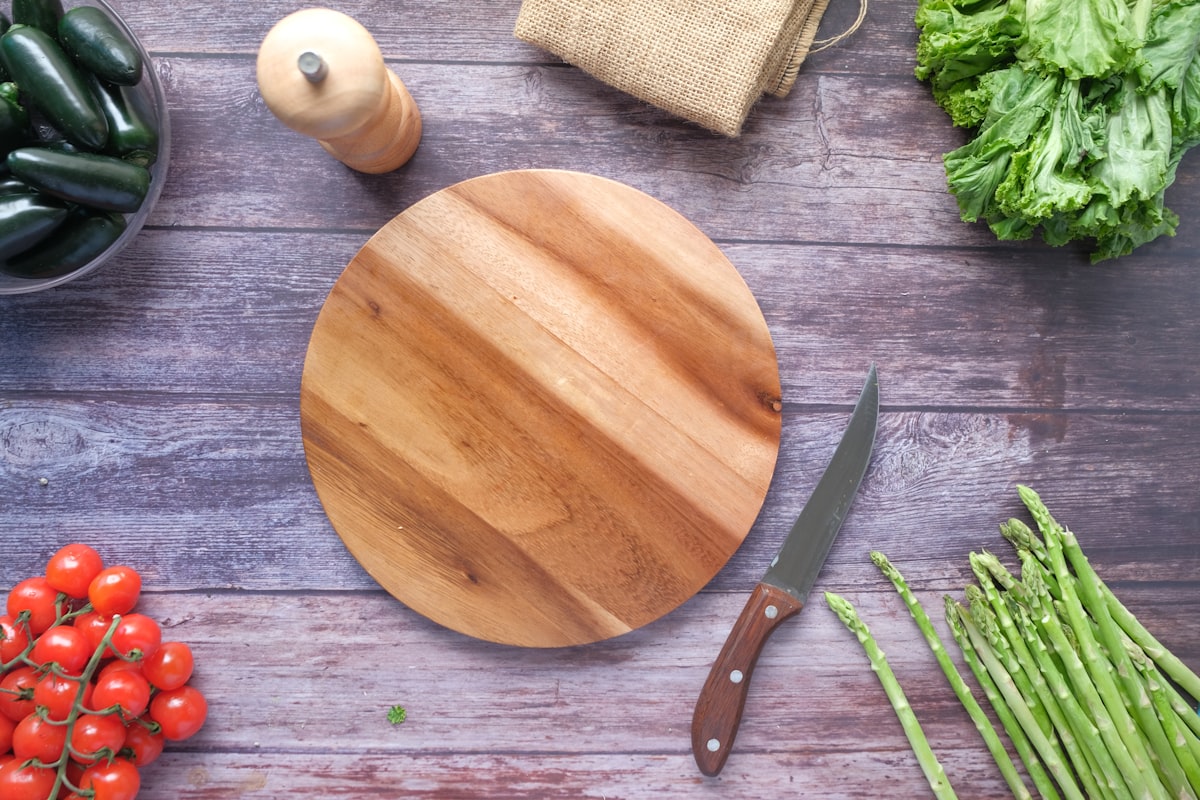
Fresh Salads
Raw whole foods prepared with attention to color, texture, and flavor balance.
Steamed Vegetable Plates
Gentle cooking methods that preserve nutritional content and vibrant colors.
Roasted Vegetables
Dry heat cooking that develops rich flavor and caramelized textures.
Hearty Soups
Slow-cooked combinations that develop deep flavor from whole ingredients.
Smoothie Bowls
Blended whole foods topped with fresh fruits, nuts, and seeds for nutrition.
Student Success Stories
Real experiences from people who've transformed their cooking skills and relationship with food.
"The techniques I learned have completely changed how I approach meal preparation. I now spend less time cooking but create far more nourishing food. My family comments on how much better everything tastes."
Maria Koch
Munich, Germany
"As a busy professional, I needed efficient cooking methods. Learning proper techniques has saved me so much time in the kitchen. I finally understand why knife skills matter and how to choose ingredients properly."
Thomas Bauer
Berlin, Germany
"I struggled with processed foods for years. Understanding how to prepare whole foods made it so easy to transition. The flavor in real ingredients is incredible—I don't miss processed items at all anymore."
Sofia Müller
Stuttgart, Germany
Common Questions About Whole Foods Cooking
Whole foods are ingredients in their natural state with minimal processing—vegetables, fruits, grains, legumes, nuts, seeds, and proteins. They haven't been refined or had ingredients added or removed. Unlike processed foods, whole foods don't contain artificial additives, preservatives, or excess sodium.
Basic equipment is all you need: a good knife, cutting board, a few pots and pans, and basic utensils. You don't need expensive gadgets or specialty tools. Quality fundamentals matter more than quantity of equipment. A sharp knife and heavy pan will serve you better than ten gimmicks.
Different cooking methods preserve nutrients differently. Steaming, quick sautéing, and light roasting preserve more nutrients than prolonged boiling. Eat some foods raw (like leafy greens) for maximum nutrient content. Keep cooking times as short as possible while still achieving desired texture and flavor.
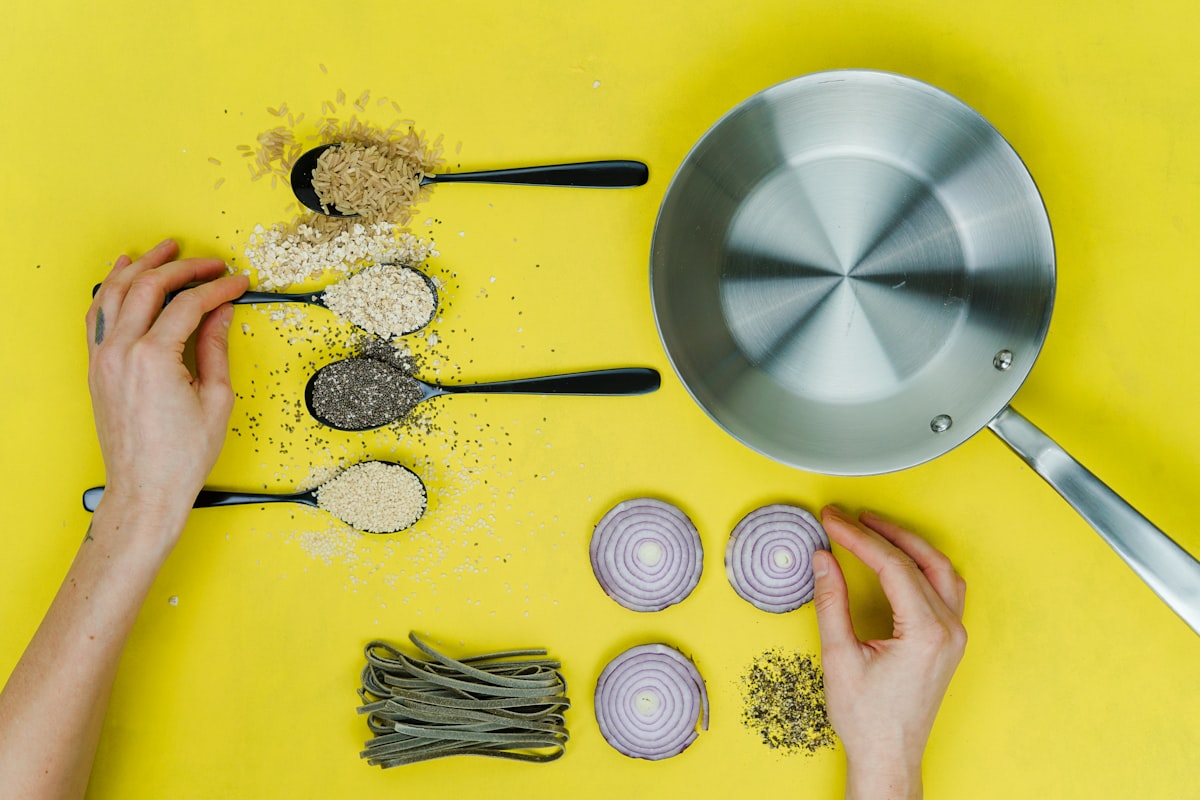
Quality whole grain options include brown rice, quinoa, oats, barley, millet, and whole wheat. Each has unique flavor profiles and cooking times. Learn to cook several varieties so you can rotate them and enjoy different tastes and textures. Store whole grains in cool, dry places to maintain freshness.
Master efficient knife skills to reduce prep time. Pre-wash and chop vegetables when you have time. Cook grains and legumes in batches to have them ready. Use quick-cooking methods like sautéing and steaming. Plan meals ahead so you buy exactly what you need. Efficiency comes from practice and organization, not shortcuts.
Local farmers markets offer fresh, seasonal vegetables and fruits at peak quality. Regular supermarkets now carry good selections of whole grains and legumes. Build relationships with vendors who can recommend quality products. Buy seasonal ingredients when they're most flavorful and affordable. Support local producers when possible.
Stay Updated with Cooking Tips
Get our latest articles about whole foods preparation delivered to your inbox.
We respect your privacy. Unsubscribe anytime.
Ready to Transform Your Kitchen Skills?
Explore our detailed articles about techniques, ingredients, and methods. Learn from our editorial team of cooking and nutrition experts committed to helping you master whole foods preparation.